If you are thinking about living in Lakeville, MN, you probably want more than a quick sales pitch. You want to know what day-to-day life actually feels like, what kind of homes you will find, and whether the area fits your routine, budget, and long-term plans. This practical overview will help you get a clearer picture of Lakeville so you can decide if it feels like the right move for you. Let’s dive in.
What Lakeville feels like
Lakeville is a large and growing south-metro suburb with a practical, space-focused feel. Census QuickFacts estimates the population at 79,270 in July 2025, which reflects strong growth since 2020.
The city is about 20 miles south of both downtown Minneapolis and St. Paul. With I-35 and Cedar Avenue as major regional routes, Lakeville gives you access to the broader metro while still feeling distinctly suburban.
A big reason for that feel is how the land is used. Metropolitan Council land-use data show thousands of acres devoted to residential use and park, recreation, and preserve land, which helps explain why Lakeville often feels spread out, open, and built for everyday convenience.
Housing in Lakeville
Detached homes lead the market
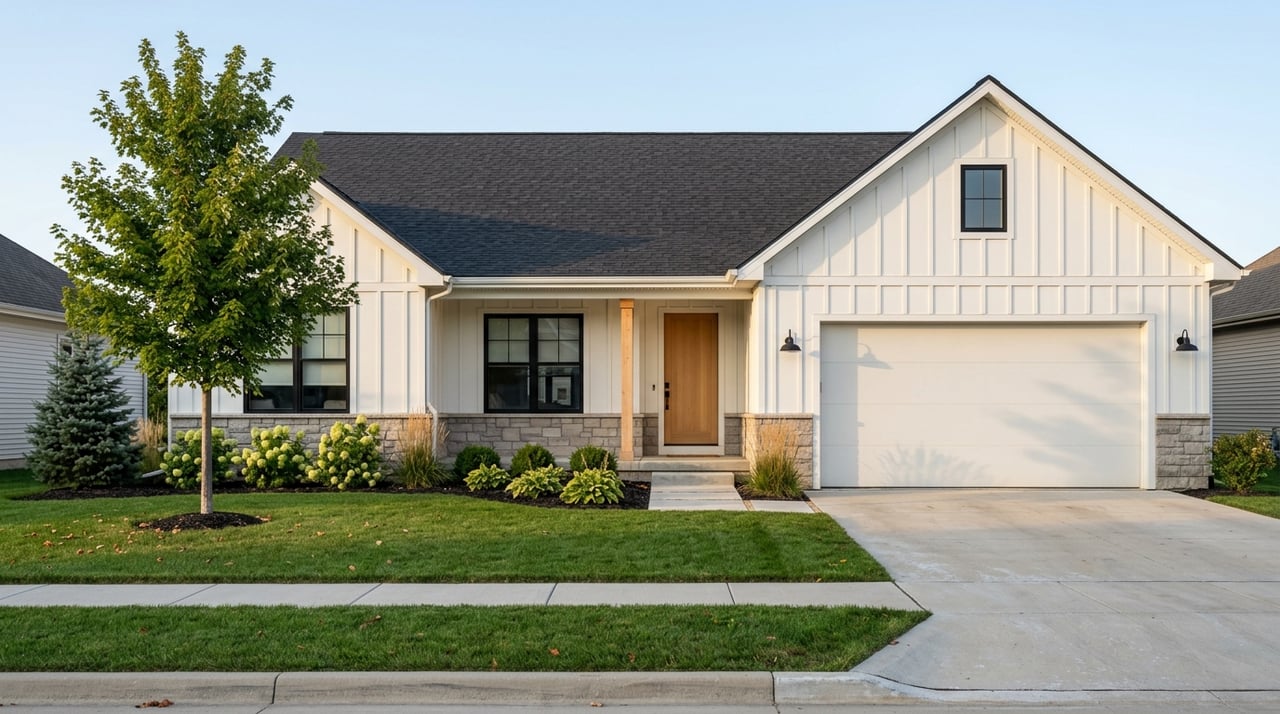
If you picture Lakeville as a city of single-family homes, that is mostly accurate. The city’s housing needs assessment estimates that detached homes made up 73% of all housing units in 2020.
That matters if you are looking for more yard space, a larger footprint, or a more traditional suburban layout. It also means Lakeville tends to appeal to buyers who want room to grow or simply want a little more separation than denser areas often offer.
Much of the housing is newer
Lakeville’s housing stock is newer than many nearby communities. The median year built was 1996, and about 13% of the housing stock was built since 2010.
For you as a buyer, that can mean more homes with layouts, finishes, and mechanical systems that feel closer to current preferences. It also helps explain why Lakeville often attracts people comparing older inner-ring suburbs with newer south-metro options.
What prices look like
Home prices in Lakeville cover a fairly wide range, but the market generally sits in the mid-to-upper suburban bracket. As of May 31, 2026, current market snapshots show a typical home value of $491,378, a median sale price of $446,833, and a median time to pending of 21 days.
The city’s housing assessment adds useful context to that picture. In 2022, about 9% of sales were under $300,000, nearly 45% were between $300,000 and $499,999, and about 54% were under $500,000.
That tells you Lakeville is not one-size-fits-all. You may find older resale homes at lower price points, but you will also see larger move-up properties and newer homes that push pricing higher.
What renters should know
If you are renting before buying, or simply want flexibility, Lakeville does have rental options. Zillow’s average rent estimate was $1,955, while Census QuickFacts reported a 2020-2024 median gross rent of $1,806.
Multifamily housing is a smaller share of the overall market than detached housing. That means rentals exist, but the city’s housing profile still leans more heavily toward ownership-oriented suburban living.
Commuting from Lakeville
Driving is the default
Lakeville is largely a car-first city. For many residents, daily life revolves around driving to work, school, shopping, activities, and appointments.
That said, the location works well for a lot of south-metro routines. Census QuickFacts reports an average commute time of 23.6 minutes, and the city’s regional position gives you practical access to multiple employment areas.
Regional job access is a real advantage
Met Council commuting data show that Lakeville residents work in several major destinations, including Minneapolis, Lakeville, Bloomington, Burnsville, St. Paul, and Eagan. That spread suggests Lakeville works for people whose jobs are not tied to just one downtown core.
If you work in the south metro, Lakeville’s location may feel especially convenient. If you commute into Minneapolis or St. Paul, your route may still be manageable depending on your schedule and exact location.
Transit is limited but useful
Even though Lakeville is car-oriented, transit is not off the table. MVTA Route 477 is a weekday express route between Lakeville, Apple Valley Transit Station, and downtown Minneapolis.
The Lakeville Cedar Park & Ride includes 191 parking spaces and a heated shelter. If you work downtown and want an alternative to driving the full route, that can be a practical option.
Parks and outdoor access
One of Lakeville’s biggest strengths is how much outdoor recreation is built into the city. This is not a place where parks feel like an afterthought.
The city’s park inventory lists 67 parks, 49 playgrounds, 20 conservation areas, 149 miles of trails and sidewalks, 11 skating rinks, 98 fields, 49 courts, and 2 swimming beaches. The city also describes Lakeville as having over 100 parks and conservation areas and about 140 miles of asphalt multi-purpose trails and greenways.
For you, that means it is easier to build outdoor time into normal life. Whether you enjoy walking, biking, skating, beach days, or simply having open space nearby, Lakeville offers a lot of built-in access.
Notable local amenities
Several places help define the local experience. Antlers Park, Orchard Lake Beach, Ritter Farm Park, the West Lake Marion Mountain Bike Trail, and the fenced dog park at Ritter Farm all add to the city’s recreational appeal.
The city’s lakes and wetlands also contribute to Lakeville’s identity. Water, trails, and green space are a visible part of the setting, which gives the city more character than a purely drive-through suburb.
Schools and learning options
For many households, access to school options is an important part of choosing where to live. Lakeville Area Schools serves more than 12,000 students and includes nine elementary schools, three middle schools, two high schools, an alternative learning center, an online 6-12 school, early childhood programming, and community education.
That range gives residents access to a broad public school system with multiple program types. If schools are part of your move decision, Lakeville offers a large district structure with a variety of campus and program options to explore.
Downtown and everyday amenities
Many suburbs have plenty of rooftops but very little civic center. Lakeville stands out a bit here because it has a more defined downtown area than many newer suburban communities.
Downtown Lakeville runs along Holyoke Avenue and includes local shops and dining, the U.S. Post Office, and the Lakeville Area Arts Center. The city also notes there is ample free parking nearby, which makes the area feel practical as well as local.
For you, that means Lakeville is not only about subdivisions and commuting corridors. There is also a central area that adds personality and gives the city a more established community feel.
Who Lakeville fits best
Lakeville tends to make the most sense if you want space, newer housing options, strong park access, and a suburban layout with regional reach. It can be a good fit for first-time buyers comparing south-metro cities, move-up buyers looking for more room, and renters who want a practical base with access to the broader metro.
It may also appeal to buyers who want a balance between everyday convenience and local character. You get the function of a large suburban city, plus downtown, trails, lakes, and recreation that make the area feel more lived-in and connected.
Bottom line on living in Lakeville MN
Living in Lakeville is less about urban energy and more about practical livability. The city offers mostly detached housing, newer inventory than many nearby areas, strong outdoor amenities, and access to both local and regional job centers.
If that mix matches what you want, Lakeville can be a very solid choice in the south metro. And if you are trying to narrow down where to buy, rent, or sell, local guidance can help you compare options with a lot more clarity.
If you are considering a move in Lakeville or the south metro, Nicholas Thull can help you sort through neighborhoods, home types, pricing, and timing with clear local guidance.
FAQs
What is Lakeville MN like for everyday living?
- Lakeville has a practical suburban feel with a lot of residential space, strong park access, major road connections, and a defined downtown area along Holyoke Avenue.
What kinds of homes are common in Lakeville MN?
- Detached single-family homes are the most common housing type in Lakeville, making up an estimated 73% of housing units in 2020.
What are home prices like in Lakeville MN?
- As of May 31, 2026, market snapshots show a typical home value of $491,378 and a median sale price of $446,833, with many resale homes falling between $300,000 and $499,999.
Is Lakeville MN good for commuting?
- Lakeville is mostly car-first, but it has practical access to Minneapolis, St. Paul, and south-metro job centers, plus a weekday MVTA express route to downtown Minneapolis.
Are there parks and trails in Lakeville MN?
- Yes. Lakeville has an extensive park system with dozens of parks, conservation areas, playgrounds, skating rinks, fields, courts, trails, sidewalks, and swimming beaches.
Does Lakeville MN have a downtown area?
- Yes. Downtown Lakeville is centered on Holyoke Avenue and includes local shops, dining, the post office, and the Lakeville Area Arts Center.