Moving up in Prior Lake is exciting, but it can also feel harder than your first home search. When you already know what works and what does not, the neighborhood decision carries more weight. The good news is that Prior Lake offers several distinct settings, from lake-oriented pockets to lower-density edges and more convenience-driven areas. If you want to narrow your options with more confidence, this guide will help you compare what matters most. Let’s dive in.
Why Prior Lake Feels Different
Prior Lake is not a one-style suburb. The city’s land-use plan separates residential areas into rural density, urban low density, urban medium density, and urban high density, alongside town center, mixed-use, commercial, office and industrial, and parks and open space.
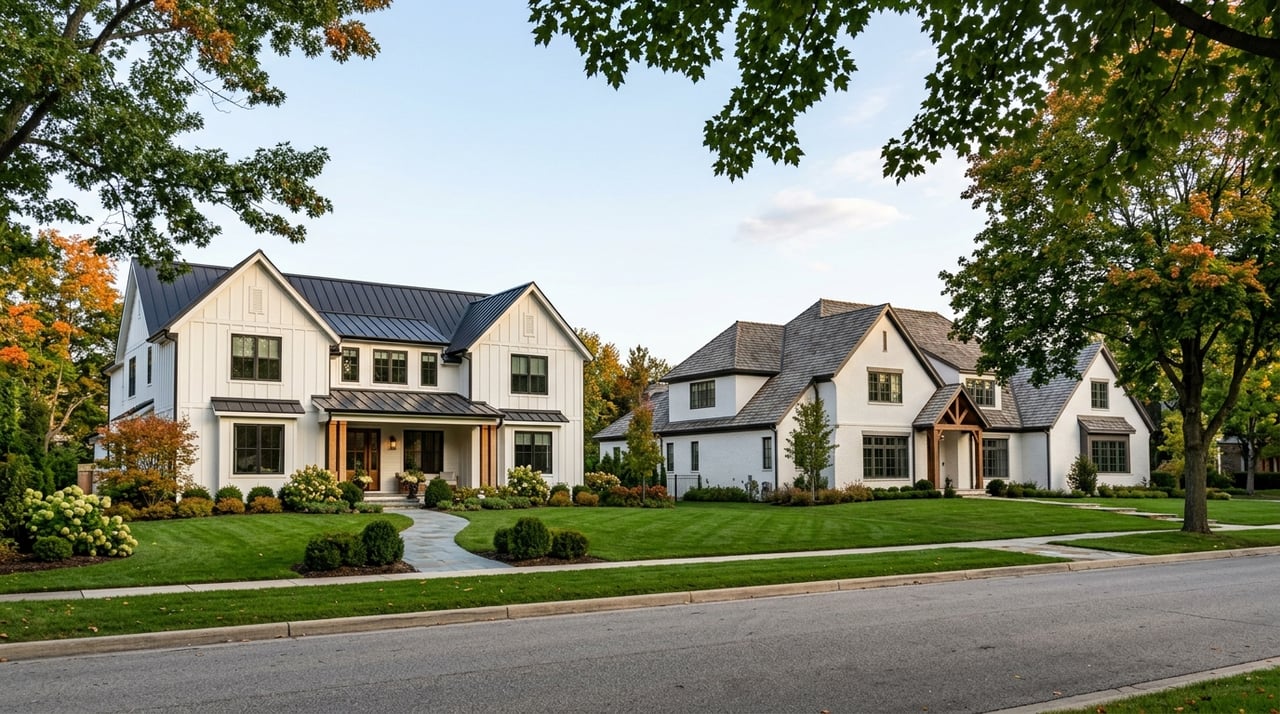
That matters when you are moving up. Instead of treating Prior Lake as one uniform market, it helps to think of it as a collection of neighborhood pockets with different day-to-day experiences. In practical terms, many buyers end up comparing four broad settings: town-center living, a conventional subdivision feel, lake-oriented areas, or larger-lot properties near the edge of the city.
Prior Lake is also a strong ownership market. The city has an estimated 28,140 residents in 2025, an owner-occupied housing rate of 86.2%, a median owner-occupied home value of $450,700, and a mean travel time to work of 24.7 minutes. That gives you a useful baseline as you think about both lifestyle and long-term fit.
Start With Your Lifestyle Goals
Before you compare specific homes, define the kind of setting you want most. For many move-up buyers, the biggest neighborhood question is not just square footage. It is how you want your daily routine to feel.
Ask yourself a few simple questions:
- Do you want to be closer to shops, dining, parks, and public spaces?
- Do you want more lot size and a quieter edge-of-city feel?
- Do you want lake access or a lake-centered lifestyle?
- Do you want easier road access for commuting and errands?
- Do you want an area that feels more established, or one that may keep evolving?
Once you answer those, Prior Lake becomes easier to sort.
Downtown and Lakefront Convenience
For buyers who want the most amenity-rich pocket in Prior Lake, the downtown and lakefront area usually stands out first. Downtown Prior Lake serves as the city’s civic and commercial core, with restaurants, retailers, service providers, offices, City Hall, the police station, the public library, and Lakefront Park nearby.
Lakefront Park is one of the biggest lifestyle draws in this part of the city. The city says the park offers lakefront access, trails, a public beach, a fishing pier, playground space, sports fields, and other amenities. Rotary Gateway Park also helps connect downtown to Lakefront Park.
If you want a neighborhood where public spaces and local amenities play a bigger role in your week, this area deserves a close look. The overall feel is more connected and active than many standard suburban pockets, which can be a great fit if convenience matters as much as the home itself.
Who This Area Often Fits
This part of Prior Lake can make sense if you want:
- Close access to parks and lakefront amenities
- A more walkable everyday pattern
- Proximity to civic and commercial services
- An established central-city setting
The tradeoff is that you may not get the same spacious lot feel you would find in some edge-of-city areas. For many move-up buyers, that becomes a question of convenience versus elbow room.
Highway 13 and South Lake Village Access
If your routine revolves around easy errands and straightforward road access, the Highway 13 and South Lake Village corridor is worth serious attention. The city identifies Village Commerce and South Lake Village as roughly 80 acres of highway-oriented businesses, retailers, service providers, and offices bordering Highway 13.
That makes this one of the clearest convenience zones in Prior Lake. If you want to simplify everyday driving, stay close to services, and keep a practical routine, this corridor can check a lot of boxes.
The feel here is different from downtown and the lakefront. It is more road-oriented and less centered on a traditional town-core experience, so the right fit depends on how you prioritize ease of access versus atmosphere.
Why Move-Up Buyers Consider It
This area may appeal to you if you value:
- Fast access to daily errands
- Simpler in-and-out driving patterns
- Proximity to commercial services
- A practical location for a busy schedule
If you are juggling work, activities, and frequent trips across the south metro, this kind of location can have real quality-of-life value.
Highway 42 and Central-North Access
Another area to keep on your radar is the central-north part of Prior Lake near the Highway 42 corridor. The city describes the Commerce Avenue and Fountain Hills area as sitting on the north side of the city, south of County State Aid Highway 42, with convenient access to service and office opportunities.
This corridor also stands out for transportation options. MVTA says its east-west route primarily serves the Highway 42 corridor and downtown Prior Lake, and Route 490 provides weekday express service between Downtown Prior Lake, Southbridge Park and Ride, Downtown Minneapolis, and the University of Minnesota. MVTA Connect also serves Prior Lake and Shakopee as on-demand microtransit.
If commute flexibility matters, this part of the city can be especially useful. Even if you mostly drive, being near established corridors can make a difference in how easy your week feels.
Southwest and West Edge Space
If your move-up goal is more land, more breathing room, and a lower-density setting, the southwest and west edge of Prior Lake may be where your search gets more interesting. The city’s zoning guide says Agricultural and Rural Subdivision Residential districts are intended for larger lots and low-density single-family development, which helps explain why some edge-of-city properties feel more spacious than more central subdivisions.
This is also the area where future change deserves extra attention. In 2025, the city initiated an Alternative Urban Areawide Review for about 2,730 acres in the southwest corner. One scenario keeps the current comprehensive-plan land uses, while another adds higher-density residential along with retail, business park, and industrial uses.
That does not mean you should avoid the area. It means you should look at it with open eyes. If you love the space and setting, it is smart to also understand what may be planned nearby over time.
Questions to Ask on the City Edge
When you tour homes in this part of Prior Lake, consider:
- How important is long-term privacy?
- Would future nearby development change the feel you want?
- Are you choosing the area mainly for lot size or for the home itself?
- How often will you need to drive into central commercial areas?
For some buyers, this part of the city is exactly the upgrade they want. For others, a more established pocket feels more predictable.
Lake-Access Living in Prior Lake
Lake living has obvious appeal, but it helps to define what that really means before you buy. Prior Lake has 15 lakes, and the largest, Prior Lake, is more than 1,340 acres when Upper and Lower Prior Lake are combined. Spring Lake is about 590 acres.
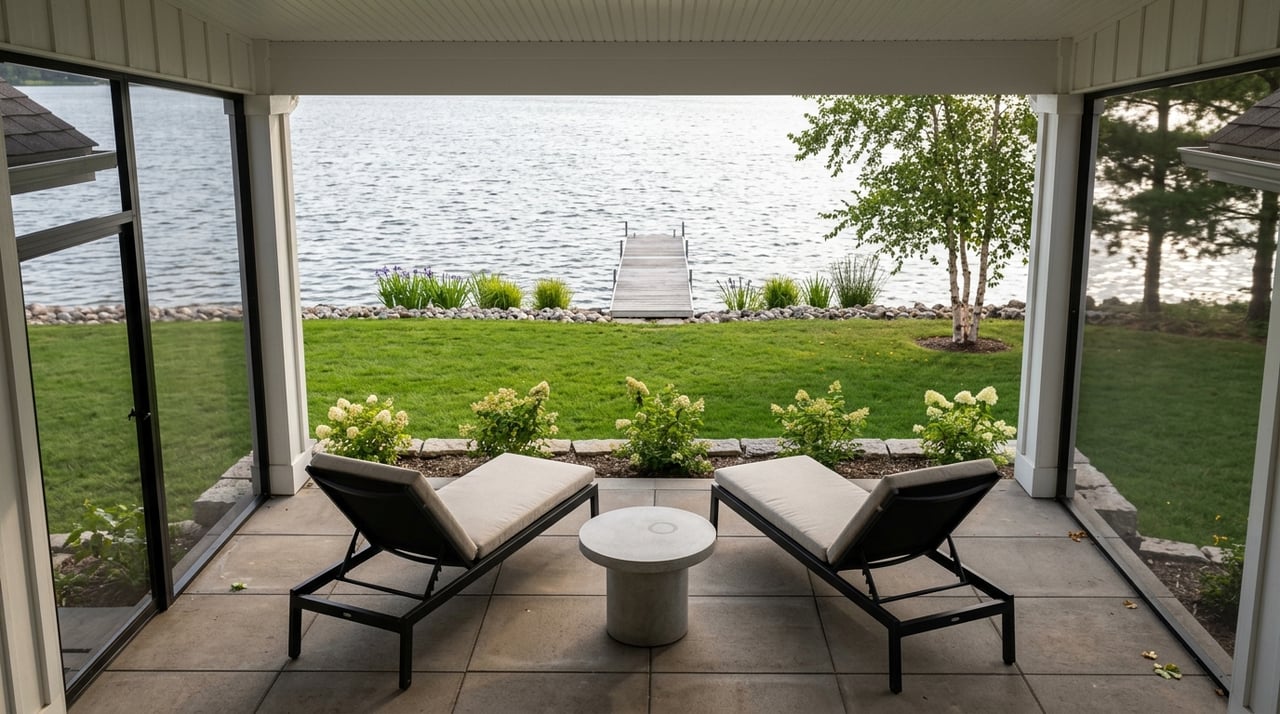
The city maintains public access points, two public beaches, six public fishing docks, and seasonal boat slips at Watzl’s Beach. Some additional lake access points are managed by DNR or county partners. That means your lifestyle could be built around public access, seasonal slips, nearby beaches, or private shoreline depending on the property and location.
This is important because lake-access living is not one thing. A home near the water may offer a very different day-to-day experience than a home with direct shoreline or one that relies on public amenities.
Know the Rules and Logistics
Prior Lake and Spring Lake have permanent 150-foot slow-no-wake zones around their shorelines. Shoreline alterations near lakes may also be subject to DNR rules.
For you as a buyer, that means the lake lifestyle includes more than just views. It can also include seasonal logistics, access planning, and added rules that do not come with a typical subdivision home.
Compare Convenience Versus Space
One of the most useful ways to narrow your search is to decide how much lot size you are willing to trade for convenience. In Prior Lake, larger-lot districts are more associated with edge-of-city areas, while the town-center and commercial districts concentrate services and amenities.
Neither choice is better across the board. The right answer depends on what makes your daily life easier and more enjoyable.
Here is a simple way to frame it:
| Priority | Areas to Explore | What to Expect |
|---|---|---|
| Walkable amenities and public spaces | Downtown, Lakefront, Lower Prior Lake | More central setting with easy access to parks, services, and lakefront features |
| Easy errands and road access | Highway 13, South Lake Village | Practical convenience and a more road-oriented environment |
| Transit and corridor access | Highway 42, central-north areas | Helpful commute connections and access to services |
| More land and lower density | Southwest and west edge | Larger-lot feel, more space, and potential future area changes |
| Lake-centered lifestyle | Pockets near Prior Lake and Spring Lake | Water access benefits with added rules and seasonal logistics |
A Smart Way to Narrow Neighborhoods
When you are moving up, it is easy to fall in love with a house before you have fully tested the location. A better approach is to narrow neighborhoods first, then compare homes inside the areas that fit your routine.
Try this framework before showings:
- Pick your preferred setting: town center, lake-oriented, conventional subdivision, or edge-of-city space.
- Decide how much convenience you want relative to lot size.
- Map out your most common drives for work, errands, and activities.
- If the home is near a lake, confirm the type of access and any related rules.
- If the home is in the southwest or on the city edge, review what may be planned nearby.
This process helps you avoid a common move-up mistake, which is solving for the house while overlooking the neighborhood fit.
Why Neighborhood Choice Matters More When You Move Up
Your next home is usually about more than bedrooms and finishes. It is about how well the property supports the way you live now and the way you expect life to look over the next several years.
In Prior Lake, neighborhood choice can shape your commute, your lake access, your lot size, your convenience, and even how much future change surrounds you. That is why local context matters so much here.
If you are trying to balance sale timing, neighborhood fit, and the search for the right next home, having a clear strategy can make the whole move feel more manageable. When you are ready to compare Prior Lake neighborhoods and line up a move-up plan that fits your goals, connect with Nicholas Thull.
FAQs
What should move-up buyers compare first in Prior Lake neighborhoods?
- Start with setting and lifestyle fit: downtown convenience, lake access, a standard subdivision feel, or a larger-lot edge-of-city location.
What is the most amenity-rich area in Prior Lake for homebuyers?
- The downtown and lakefront area stands out for access to restaurants, services, civic spaces, Lakefront Park, trails, a public beach, and other public amenities.
What should buyers know about lake-access homes in Prior Lake?
- Lake-access living can mean public access, seasonal slips, nearby beaches, or private shoreline, and buyers should also account for slow-no-wake zones and possible shoreline rules.
Which Prior Lake areas are best for everyday convenience and commuting?
- Areas near Highway 13, South Lake Village, Highway 42, and downtown generally offer stronger access to commercial services, major roads, and transit options.
Why should buyers check future plans in southwest Prior Lake?
- The city began a 2025 review process for about 2,730 acres in the southwest corner, so land use in that area may continue to evolve over time.