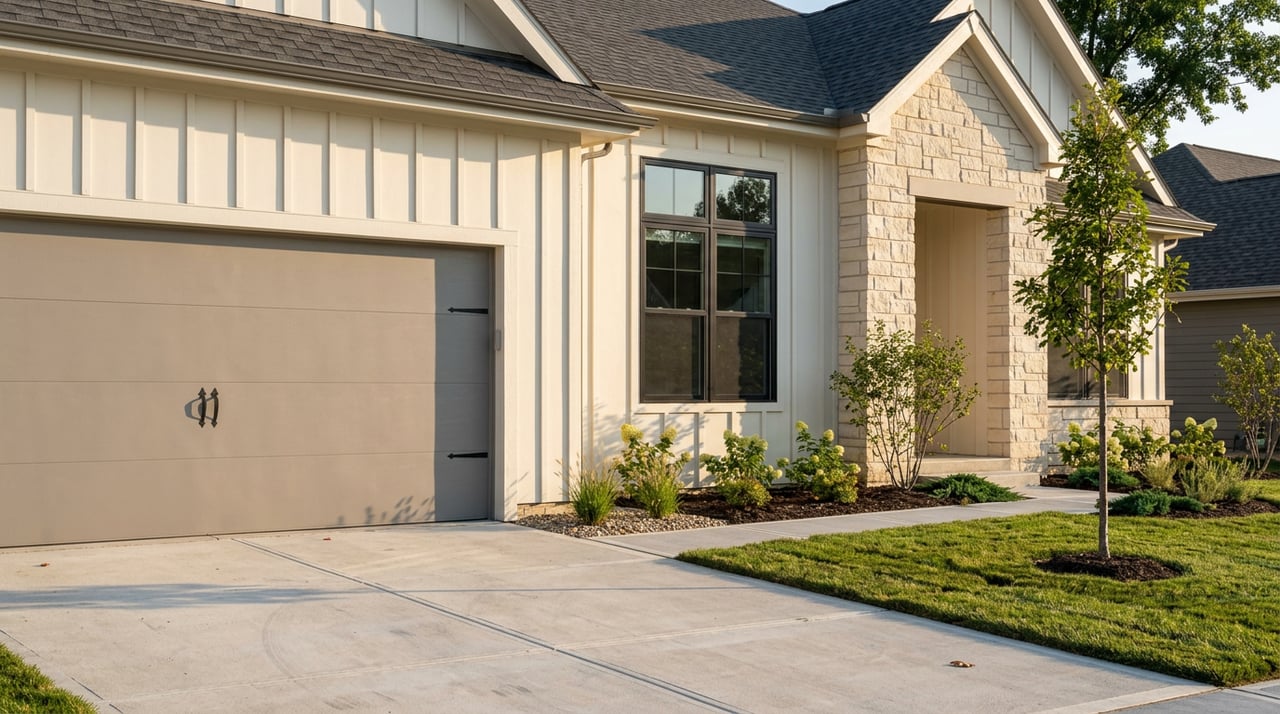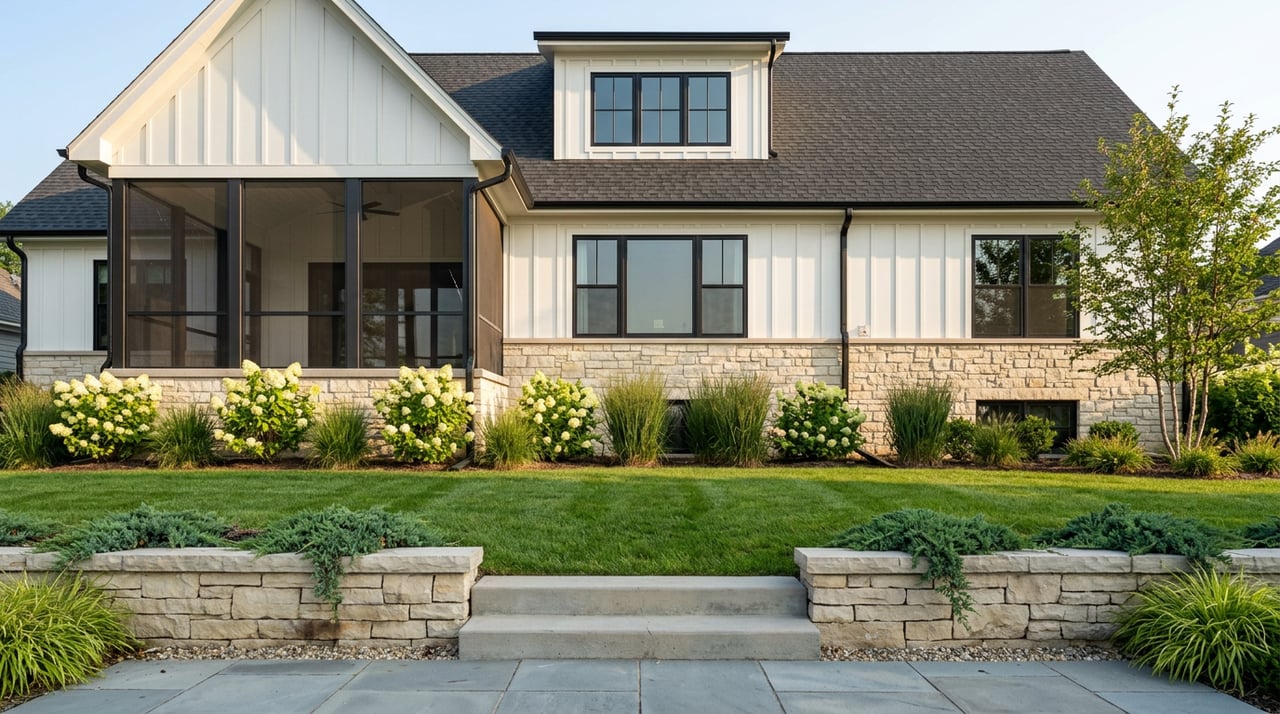
Buying your first home in Lakeville can feel exciting one minute and overwhelming the next. You may be wondering how much house you can afford, how fast you need to move, and whether a detached home or townhome makes more sense here. The good news is that once you break the process into clear steps, it gets much easier to manage. This roadmap will help you understand what to expect in Lakeville and how to move forward with more confidence. Let’s dive in.
Understand the Lakeville market
Lakeville gives first-time buyers a mix of opportunity and competition. Recent market snapshots show median sale prices around the high $400,000s to low $500,000s, while median listing prices have been reported higher at about $574,900. Homes have also been going pending or selling in roughly 21 to 32 days, depending on the source and time period.
What that means for you is simple: well-priced homes can still move quickly. You may not need to rush every decision, but you do need to be prepared when the right home appears. That is especially true in price points and property types that tend to attract other first-time buyers.
Lakeville also stands out because much of its housing stock is newer than many other Twin Cities suburbs. The city’s housing needs assessment says 66% of homes were built since 1990, with many homes built in the 1990s and 2000s. If newer layouts, more modern systems, or lower-maintenance living matter to you, that local housing mix can work in your favor.
Step 1: Set your budget first
Before you start browsing homes, get clear on your monthly comfort zone. This should include more than just the mortgage payment. You also want to think about property taxes, insurance, utilities, association dues if applicable, and funds for maintenance or repairs.
Lakeville offers a helpful property tax reference point. In the city’s 2026 budget materials, a median valued home of $467,150 carries an estimated city portion of property tax of $1,527. That does not represent the full tax bill, but it does show that the city share may be smaller than some buyers expect.
A strong budget gives you two big advantages. First, it helps you avoid looking at homes that stretch you too far. Second, it helps you act faster when you find a property that fits.
Step 2: Get pre-approved early
Pre-approval is one of the most important early steps for a first-time buyer. It gives you a clearer price range, helps you estimate your payment, and shows sellers that you are serious. In a market like Lakeville, that preparation matters.
If you are buying your first home, Minnesota Housing may be worth exploring with your lender. Its Start Up program is designed for first-time homebuyers, which it defines as someone who has not had an ownership interest in a principal residence in the last three years. Current guidance lists income limits up to $156,100, metro purchase-price limits up to $515,200, and down payment or closing-cost loan options of up to $18,000.
If you are above Start Up limits, Minnesota Housing says Step Up may be a better fit. It is also important to know that these down payment options are not grants. They are loans tied to Minnesota Housing first mortgages, so it is smart to ask your lender early which program, if any, may fit your situation.
Step 3: Take a homebuyer education class
This step often gets overlooked, but it can make the whole process feel far less stressful. Dakota County’s CDA offers the Home Stretch class, which walks buyers through preparing financially, choosing a mortgage, shopping for a home, making an offer, inspections, and closing.
The class certificate is required for certain loan programs, including Minnesota Housing and the First Generation Homebuyer Community Down Payment Assistance program. Even if you do not use assistance, education can help you turn a big, unfamiliar process into a series of manageable decisions.
For many first-time buyers, confidence is just as valuable as financing. Knowing what comes next can help you make stronger choices and avoid last-minute surprises.
Step 4: Choose the right property type
In Lakeville, your first-home search may include more than one path. The city’s housing mix includes detached homes, townhomes, twinhomes, condos, and other maintenance-free options. That matters because your best fit may depend on budget, lifestyle, and how much upkeep you want to take on.
Lakeville’s long-range housing study noted that much new single-family construction had been aimed at move-up buyers priced at $550,000 and above, while twinhome product could start around $425,000. That is not a current list-price rule, but it does help explain why attached housing can be an important entry point for first-time buyers here.
If you want more space and privacy, a detached home may still be the goal. If you want a lower-maintenance option or a more accessible price point, a townhome or similar attached property may open more possibilities.
Step 5: Tour homes with a local lens
Once you are pre-approved, it helps to tour homes with realistic expectations about Lakeville pricing. Based on current market snapshots and local planning benchmarks, many first-time buyers will likely compare homes in the high $400,000s to mid $500,000s. That is not a fixed rule, but it is a useful planning range.
As you tour, focus on the features that matter most to your day-to-day life. Think about layout, bedroom count, storage, yard size, commute, maintenance level, and whether the home fits your next few years, not just today.
This is also a market where comparing attached and detached options can be especially useful. You may find that a townhome gives you the location and condition you want, while a detached home may require trade-offs on price, updates, or timing.
Step 6: Be ready to move quickly
Lakeville is not uniformly frantic, but it is still competitive. Realtor.com reported a 30-day median days on market and a 100% sale-to-list ratio in May 2026. That suggests sellers are still getting strong offers on well-positioned homes.
The key is not to panic. The key is to be prepared. Know your ceiling, know which features are non-negotiable, and know where you have flexibility.
If a home checks enough boxes, you may need to make a decision quickly. This tends to matter most in more affordable and maintenance-free segments, where competition can feel tighter than citywide averages suggest.
Step 7: Write a clean, informed offer
When you find the right home, your offer should reflect both your goals and the realities of the market. Price matters, but so do timing, financing strength, and staying organized.
This is where preparation pays off. A solid pre-approval, a clear understanding of your budget, and a realistic view of the market can help you write with confidence instead of guessing under pressure.
For first-time buyers, the best offer is not always the most aggressive one. It is the one that fits your finances, respects your limits, and gives you a strong chance to move forward on a home that meets your needs.
Step 8: Navigate inspection and underwriting
Once your offer is accepted, the process shifts from shopping to follow-through. This stage usually includes providing updated documents to your lender, completing a home inspection, and arranging homeowner’s and title insurance.
At this point, your job is to stay responsive and organized. Deadlines matter, and small delays can create bigger stress later in the transaction. Keeping documents ready and responding quickly can help the process stay on track.
For a first-time buyer, this stage often feels the most technical. In reality, it is mostly about confirming the home is in the expected condition and helping your lender finalize the file.
Step 9: Understand supply and new construction context
Lakeville has long been a growth-oriented suburban market, and supply is still part of the story. The city says a temporary pause on certain new residential development applications was approved on April 20, 2026, though already-approved projects continue.
That matters because it may keep existing starter inventory especially important in the near term. At the same time, the city says there are still 675 single-family lots and 644 townhome units with preliminary or final plat approval that are not affected by the pause.
In other words, the pipeline is still active, but future approvals may be more constrained than in past years. If you are considering resale versus new construction, that local backdrop is worth keeping in mind.
Step 10: Do not forget post-closing tasks
Closing day is a major milestone, but there are still a few important follow-up items. If you plan to occupy the home as your primary residence, Dakota County’s homestead program can reduce property taxes for owner-occupants.
The county also says two property tax refund programs may be available to homestead property owners. For a 2026 property tax statement, the regular refund income threshold is $142,490, and the special refund can apply when net property taxes increase by at least 12% and $100, excluding increases caused by improvements made by the owner.
These are easy details to overlook when you are focused on moving. Still, they can affect your costs, so they are worth handling soon after closing.
A smart first step in Lakeville
For many first-time buyers, Lakeville offers a strong mix of newer housing, practical attached-home options, and long-term appeal. At the same time, prices remain meaningful, and good homes can move fast. That is why the best first step is not rushing into showings. It is getting financially clear, learning your options, and building a plan before you need to make a quick decision.
If you want a calm, informed approach to buying your first home in Lakeville, working with a local agent who understands the market can make the process feel much more manageable. When you are ready to take the next step, connect with Nicholas Thull.
FAQs
What price range should a first-time buyer expect in Lakeville?
- Current market snapshots suggest many Lakeville buyers will be looking in roughly the high $400,000s to mid $500,000s, though the right range depends on property type, condition, and timing.
What first-time buyer programs are available in Lakeville, MN?
- Minnesota Housing offers Start Up for eligible first-time buyers and Step Up for buyers who may not fit Start Up limits, with down payment and closing-cost loan options available through participating lenders.
What counts as a first-time buyer for Minnesota Housing?
- Minnesota Housing says a first-time homebuyer is someone who has not had an ownership interest in a principal residence during the last three years.
Are townhomes a good entry point for first-time buyers in Lakeville?
- Townhomes, twinhomes, condos, and other maintenance-free options can be an important entry point in Lakeville because they may offer a more accessible price point than many newer detached homes.
How fast do homes sell in Lakeville?
- Recent reports show homes going pending or selling in about 21 to 32 days on average, which means buyers should be prepared to act promptly on well-priced homes.
What should a Lakeville buyer do after closing?
- If you will live in the home as your primary residence, you should review Dakota County homestead eligibility and look into any property tax refund programs that may apply.